


Cruising just keeps growing. Global cruise passenger volume hit a historic high of 37.2 million in 2025, and the 2026 outlook points to more than 38 million passengers this year, supported by roughly 260 ships in active deployment worldwide. For an industry that was largely shut down just a few years ago, that is a remarkable turnaround.
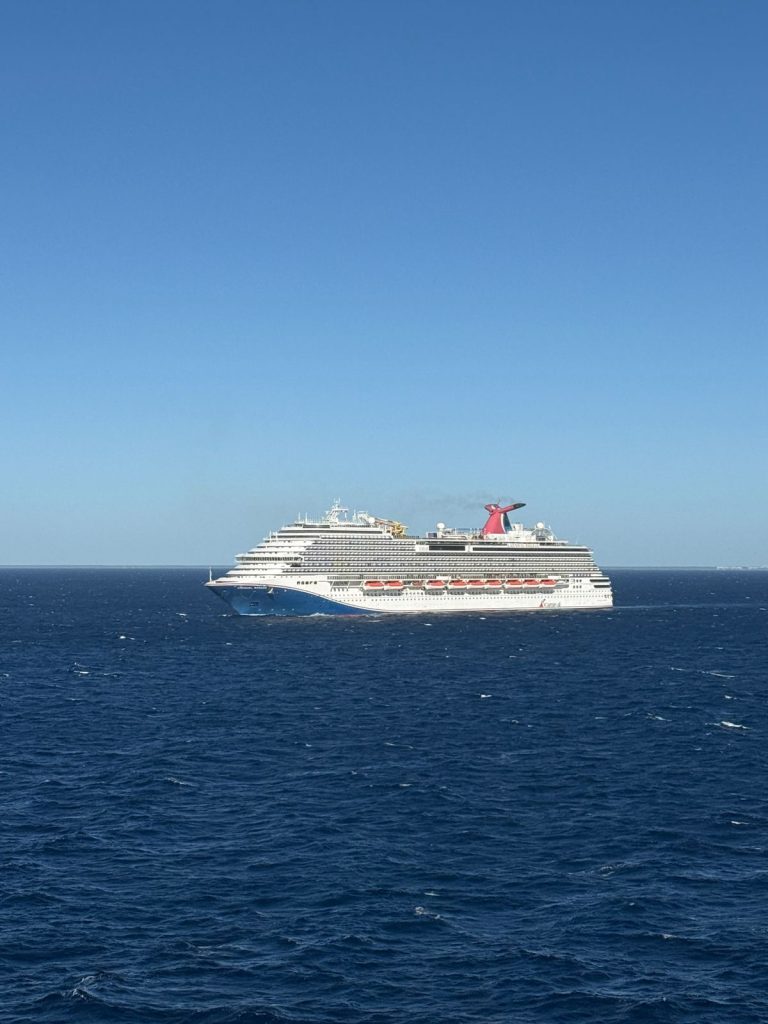
Much of the growth is coming from new ships. Roughly 17 new vessels are launching in 2026 alone, adding more than 30,000 passenger berths and representing over 10 billion dollars in fresh investment. Lines are betting big on bigger, more amenity-packed ships, from expansive water parks to speciality dining halls that resemble entire neighborhoods at sea.
At the same time, an unexpected niche is heating up: cold-weather cruising. Demand for itineraries to Alaska, Scandinavia, Antarctica and other cooler destinations has climbed sharply, a shift from the industry’s traditional focus on sunny Caribbean and Mediterranean routes. River cruising and expedition voyages to more remote destinations are also seeing sustained interest, as travelers look for premium, less crowded experiences.
For travelers weighing a cruise this year, the practical implication is straightforward: popular new ships and cold-weather itineraries are booking up faster than in previous years, so earlier planning pays off. Cruise lines are also investing in quieter, greener operations, which means today’s newest ships tend to be more fuel efficient and better equipped for sustainability-minded travelers than the fleets of a decade ago.