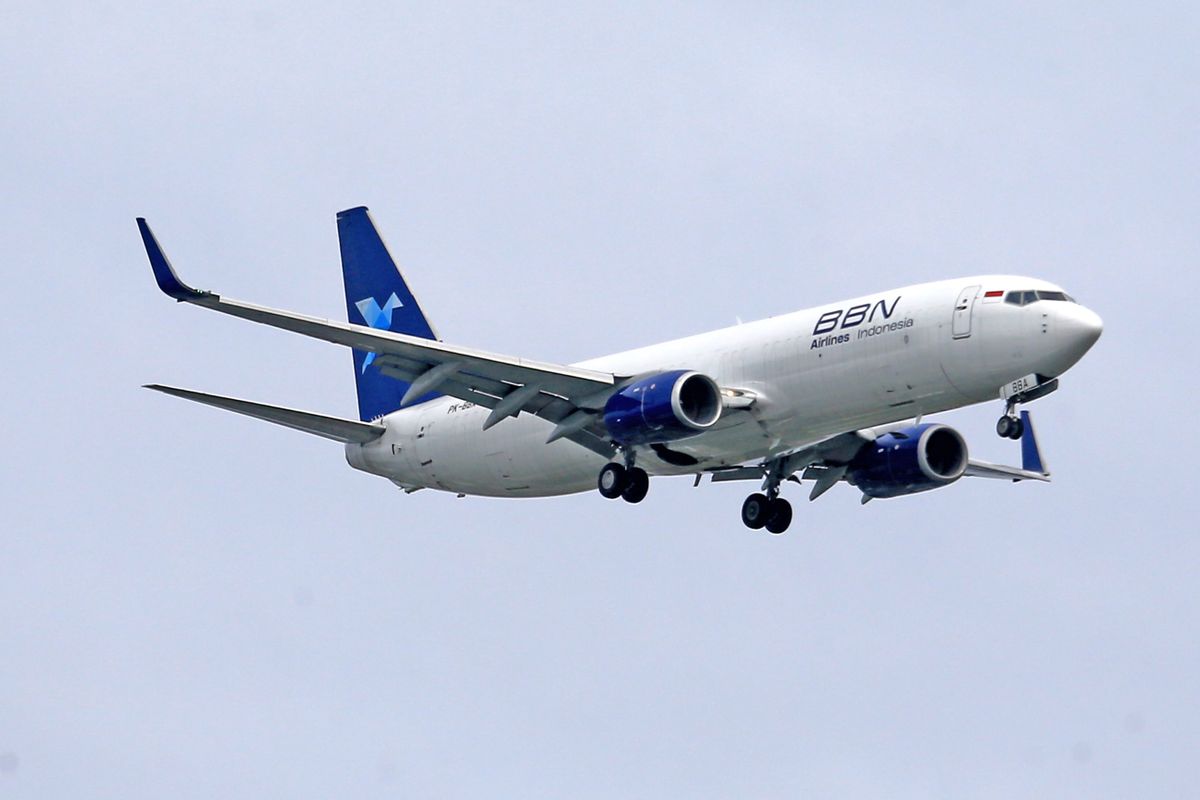

Airlines are entering the back half of 2026 with a problem that has little to do with schedules or staffing: the price of jet fuel. Several major US carriers, including American Airlines and Southwest, have already trimmed their 2026 earnings expectations after another sharp climb in fuel costs, and industry analysts are warning that the volatility is far from over.
For most of the past decade, airlines leaned on efficiency gains, hedging strategies and steady demand to keep fares relatively predictable. That balance is now shifting. IATA’s mid-year outlook still points to modest passenger growth of around two percent for 2026, but cargo demand and overall industry revenue projections have been revised as fuel costs eat into margins that were already thin.
What does this mean for the average traveler? In the short term, expect airlines to lean harder on ancillary fees, dynamic pricing and fuel surcharges rather than raising base fares outright, since sticker-price increases tend to scare off price-sensitive shoppers. Routes with less competition are likely to see the steepest increases, while dense corridors with multiple low-cost carriers may stay comparatively stable.
Travelers looking to protect their budgets this year have a few practical levers to pull. Booking three to five months ahead for international travel continues to offer the best blend of price and flight choice, while flexible date searches can reveal meaningful savings on the same route. Loyalty program members should also watch for mileage-earning promotions, since airlines often lean on point redemptions to keep loyal flyers happy even as cash fares climb.
None of this means air travel is about to become unaffordable, but 2026 is shaping up to be a year where booking strategy matters more than ever. Travelers who stay flexible, compare carriers closely and book with a plan are the ones most likely to come out ahead as airlines navigate one of their most volatile fuel environments in recent memory.