
The aviation sector is moving through 2026 in expansion mode. After several years of recovery, airlines and manufacturers are once again investing heavily in new aircraft, wider networks, and smarter operations, betting that global appetite for flying still has plenty of room to grow.
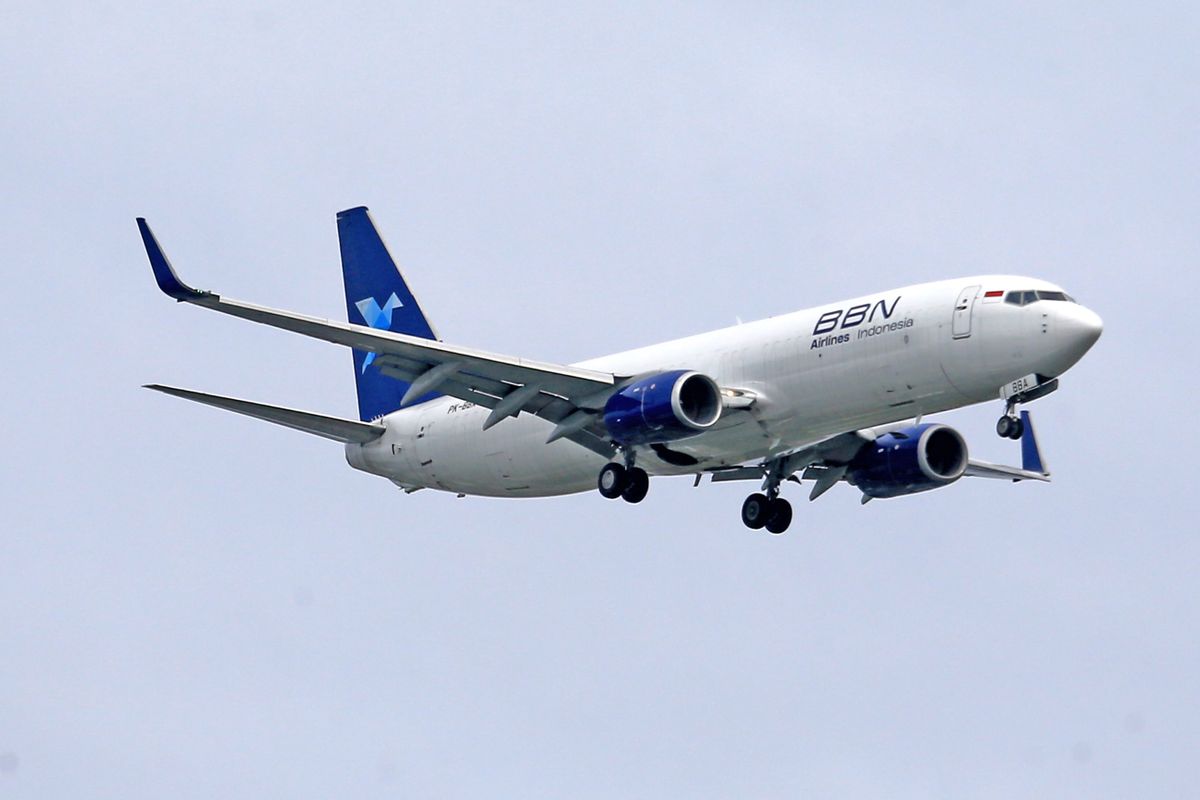
Passenger traffic is on track to rise by roughly six percent this year, and manufacturers have responded with enormous order books stretching decades into the future. Airlines are prioritizing fleet renewal, swapping older jets for newer, more fuel-efficient models that lower operating costs while helping carriers meet tightening emissions targets.
Behind the scenes, the biggest shift may be in how airlines run their business. Artificial intelligence is being woven into everything from crew scheduling to customer service, cutting administrative overhead and enabling a more personalized booking experience. Carriers are also leaning into ultra-personalization, using passenger data to tailor seat options, meal choices, and loyalty perks in ways that were rare just a few years ago.
The financial picture is more complicated than the growth numbers suggest. While industry revenue is expected to climb close to nine percent, rising fuel, labor, and financing costs mean profit margins remain thin. For travelers, that mix of expansion and cost pressure likely means more route choices and modern cabins, but fares that stay firm rather than fall.