

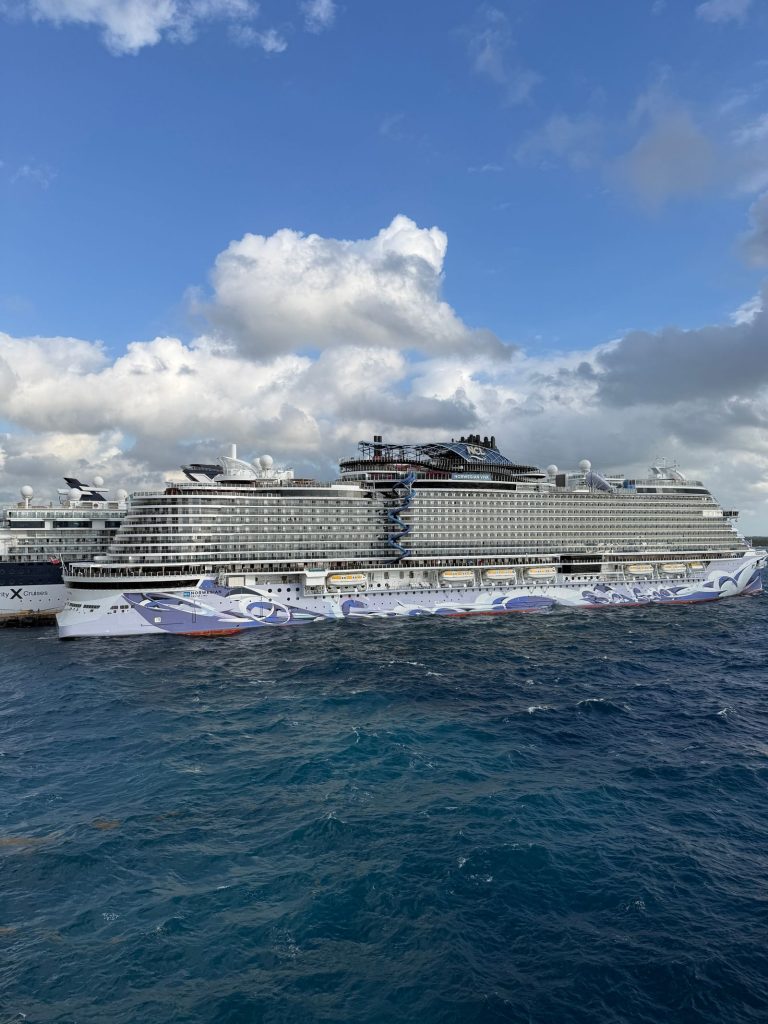
Cruising is having a breakout stretch. Global passenger volume hit an all-time high in 2025, and industry estimates suggest the number of people boarding ships in 2026 will climb even further, supported by one of the largest shipbuilding order books in the sector’s history.
What is striking is where that demand is heading. Rather than sticking to familiar Caribbean or Mediterranean loops, travelers are chasing more distinctive itineraries: river cruises through Europe and Asia, expedition voyages to remote polar and island destinations, and cold-weather sailings that flip the usual sun-and-sand expectation on its head. Premium and luxury cabins are selling especially well, a sign that many cruisers are trading up rather than trading down.
Cruise lines are responding with bigger ships, greener propulsion technology, and itineraries built around fewer, more exclusive ports rather than packing in as many stops as possible. Investment in private islands and destination-specific experiences has become a competitive battleground among the major operators.
The result is an industry that looks confident heading into the back half of the decade, even as it wrestles with rising fuel costs and tightening environmental regulation. For travelers, that confidence is translating into more itinerary variety than the cruise industry has offered in years, though popular sailings and premium cabins are booking up earlier than ever.