



Hotels are undergoing one of their more significant shifts in years, driven by two forces pulling in different directions: technology and wellbeing. On one side, artificial intelligence is reshaping nearly every guest touchpoint, from personalized recommendations sent before arrival to automated check-in that skips the front desk entirely. On the other, a growing number of travelers are booking stays specifically to slow down and recover.
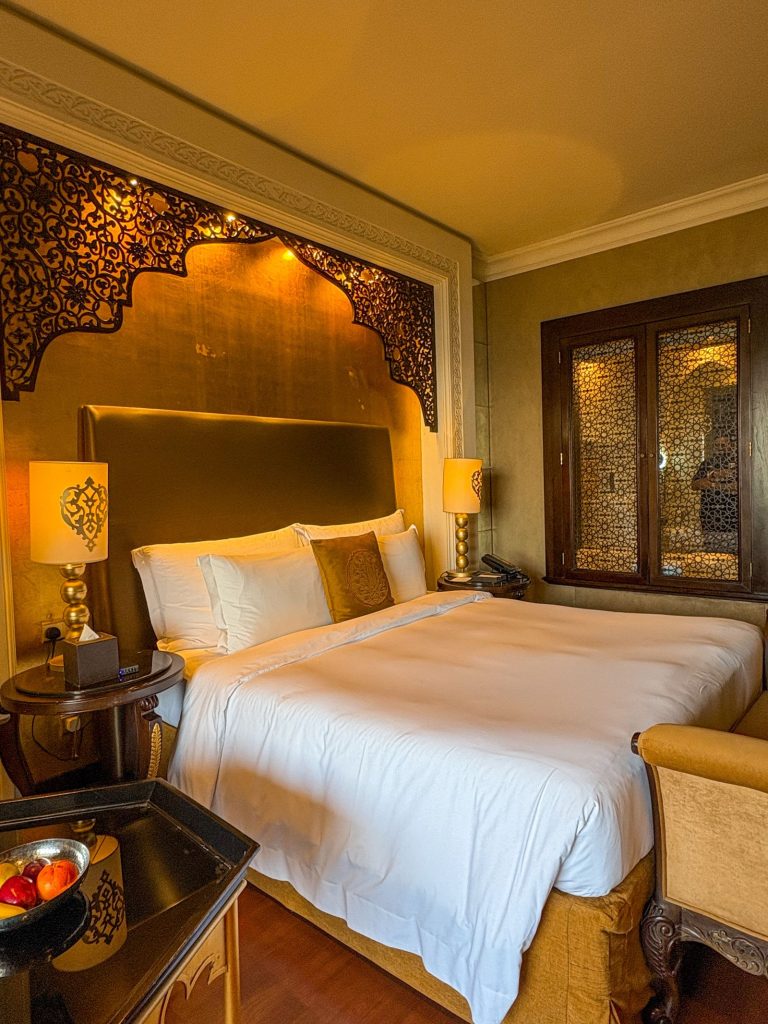
That second trend, often labeled sleep tourism, has moved from a niche wellness idea to a mainstream amenity. Hotels are investing in blackout rooms, curated bedding programs, and sleep-focused spa treatments to meet demand from travelers who see rest itself as the point of the trip. More broadly, wellness-focused amenities are becoming a genuine differentiator rather than a nice-to-have extra.
On the booking side, a notable shift is underway too: online travel platforms have overtaken search engines as the first stop for many travelers researching where to stay, a change that is pushing hotels to rethink how they show up on third-party sites versus their own. Independent hotels, meanwhile, are contending with tighter margins and are leaning on smarter distribution and connectivity to stay competitive against larger chains.
Put together, these shifts suggest hospitality in 2026 is being pulled toward two extremes: frictionless, tech-enabled efficiency, and slower, more restorative stays. Properties that can offer both at once are proving the most resilient.