



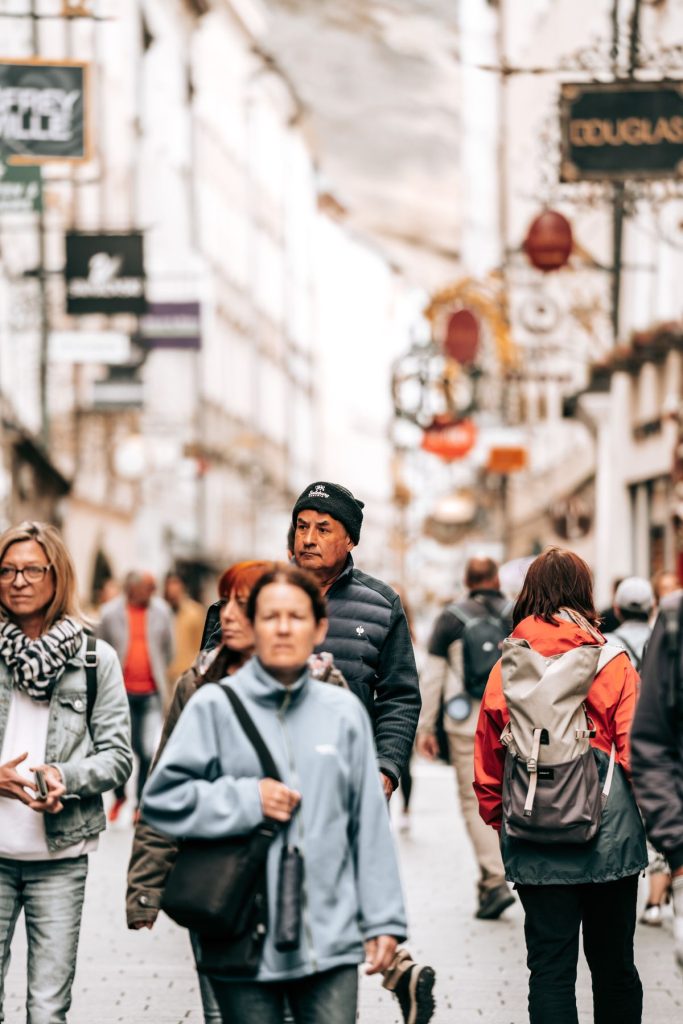
Overtourism has moved from an occasional headline to a genuine factor in how people plan trips in 2026. A large majority of travelers now say concerns about crowding directly influence their choices, and the most common response is straightforward: shifting travel to quieter seasons rather than avoiding popular destinations altogether.
That shift toward off-peak travel is showing up across booking data, with a meaningful share of travelers deliberately timing trips outside the traditional peak months to avoid the worst of the crowds at famous sites. A smaller but growing group is going further, actively choosing lesser-known destinations over famous ones specifically to sidestep overtourism, a pattern researchers describe as demand quietly redistributing toward calmer alternatives.
Sustainability and digitalization are tangled up in this shift as well, with destinations experimenting with visitor caps, timed entry systems, and digital tools to manage flow at their most popular sites. Wellness-oriented, nature-based trips are benefiting too, as travelers who might once have booked a big-city break instead choose quieter, slower experiences.
For destinations and travelers alike, the pattern points in the same direction: crowding is no longer just a nuisance to tolerate, it is actively steering where and when people choose to travel, and that is reshaping tourism patterns even at some of the world’s most iconic sites.