

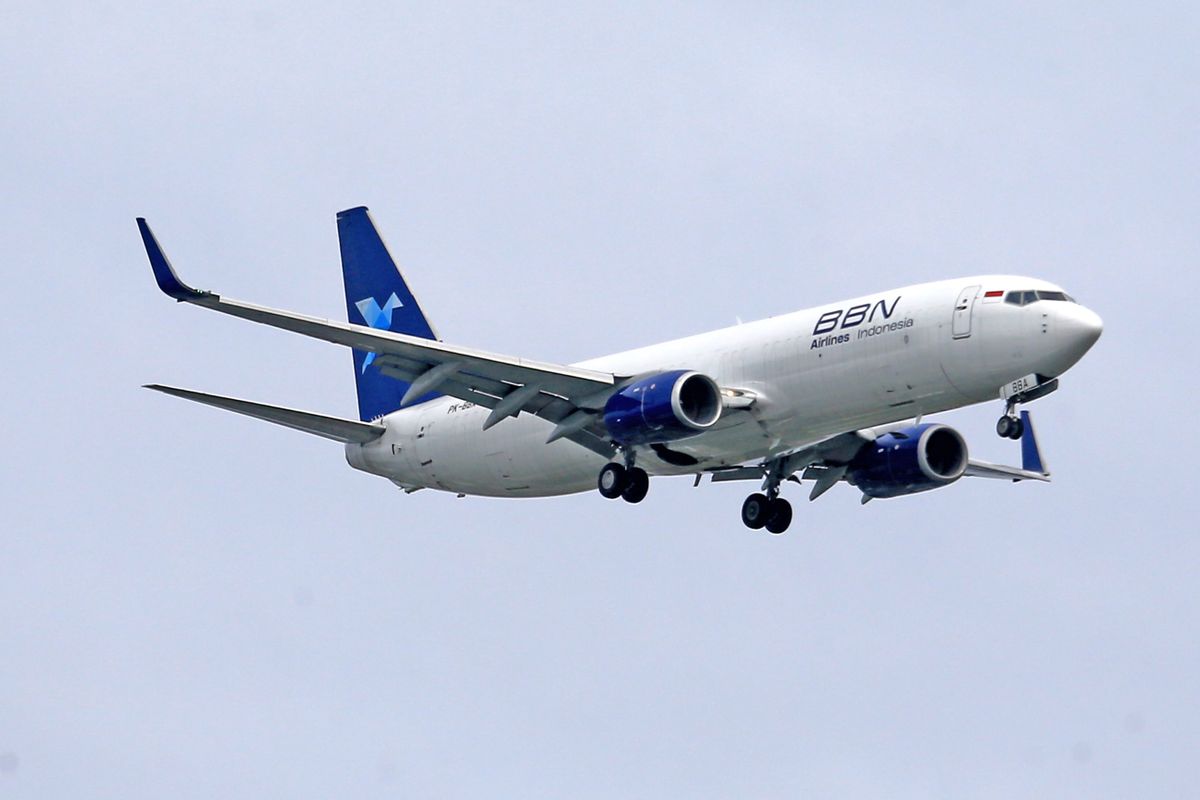

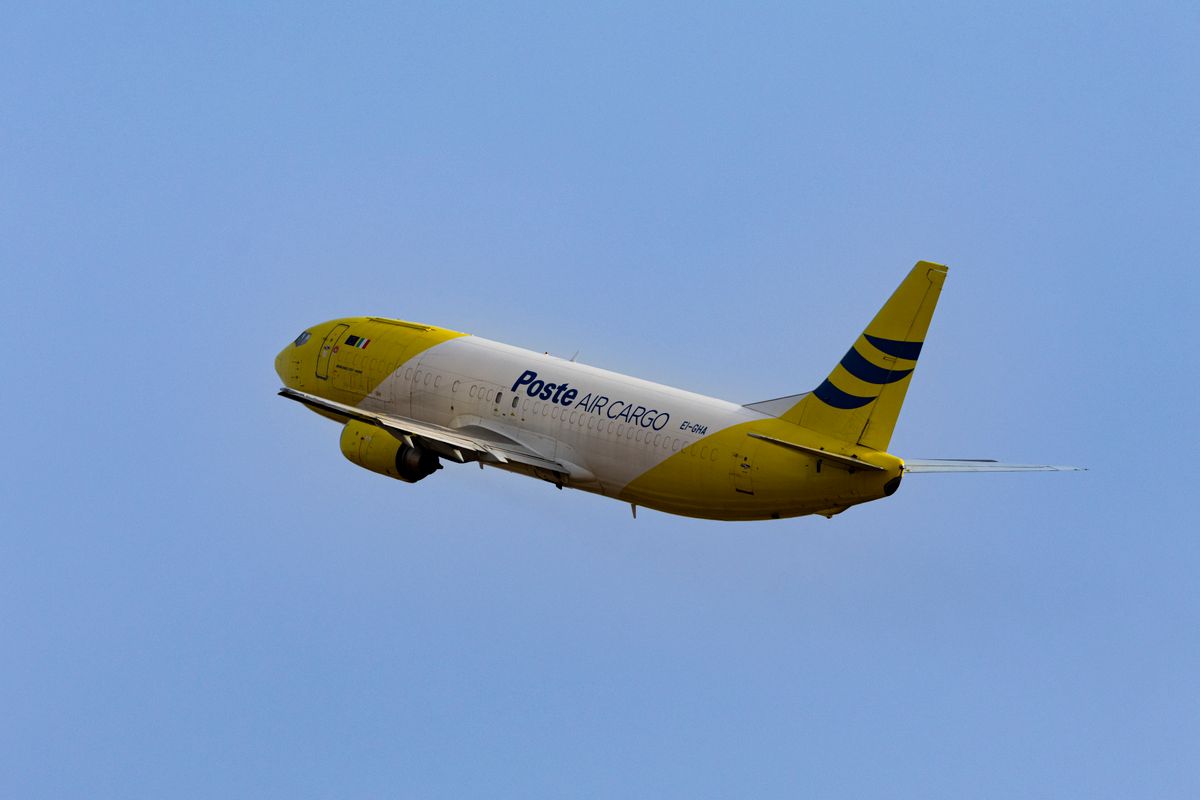

Fly Jinnah has officially launched regular non-stop flights between Karachi and Riyadh, with the inaugural service departing Karachi on Friday night carrying 146 passengers. A brief inauguration ceremony, including a cake-cutting, was held at the Karachi airport lounge before departure.
Officials from the Pakistan Airports Authority, Civil Aviation Authority, Airport Security Force, and other relevant institutions attended the send-off.
This follows Fly Jinnah’s August announcement of the route: three weekly non-stop flights starting September 18, scaling to daily service from October 25, 2026. Riyadh becomes Fly Jinnah’s third non-stop Saudi destination from Karachi, joining its existing Jeddah and Dammam routes — giving the airline non-stop coverage of Saudi Arabia’s three largest cities from its home base.
Fly Jinnah is a joint venture between Pakistan’s Lakson Group and the UAE’s Air Arabia Group, launched in 2021 and operational since October 2022. That Air Arabia backing matters here — it gives Fly Jinnah access to a low-cost carrier group with deep experience scaling Gulf routes quickly, which explains how the airline has gone from domestic-only operations to a Saudi network spanning three cities and three Pakistani hubs (Karachi, Lahore, Islamabad) in a relatively short window.
Fly Jinnah has been explicit that the route is built around Pakistan’s Saudi-based expatriate community, alongside business travelers and visitors moving between the two countries. That’s consistent with why the Karachi–Riyadh launch overlaps directly with Riyadh Air’s own Pakistan entry — Riyadh Air began daily Riyadh–Islamabad flights on August 14 and added Riyadh–Lahore three times weekly from August 18. Two carriers actively growing Riyadh capacity within weeks of each other typically means more competitive fares on the sector, even as Fly Jinnah (low-cost) and Riyadh Air (full-service) sit at different ends of the market.
For Karachi-based agents, this gives a same-city, low-cost non-stop option to Riyadh where previously only Jeddah and Dammam were served directly — useful for building religious, labor, and family-travel itineraries without routing through Lahore or Islamabad first.