
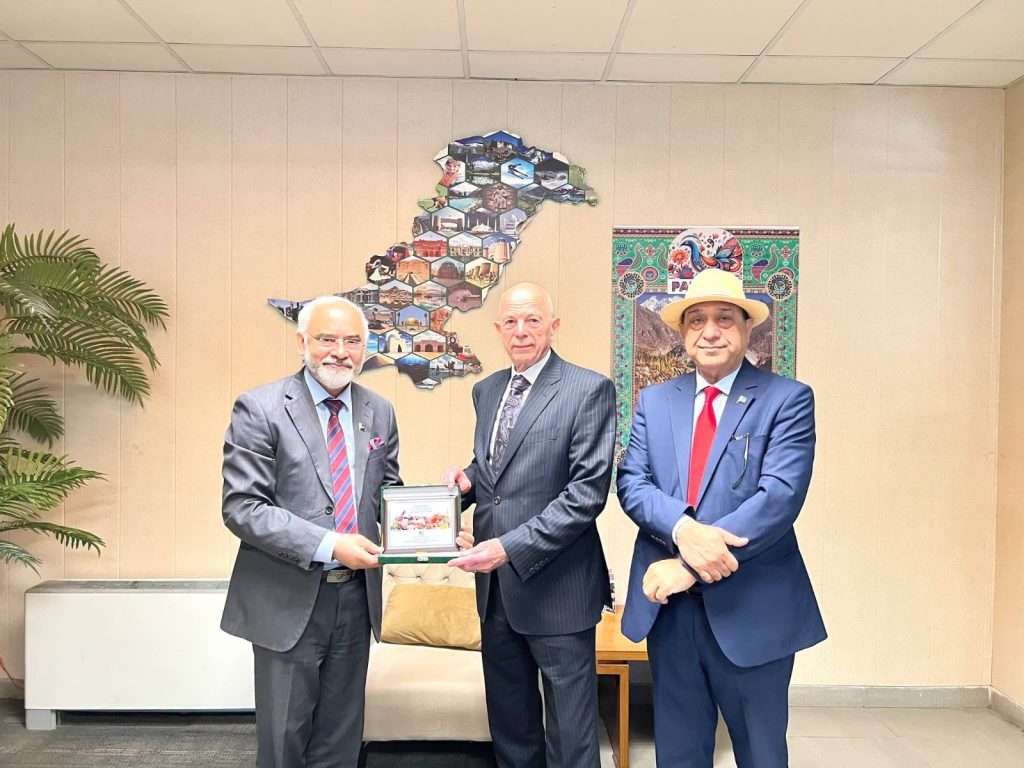



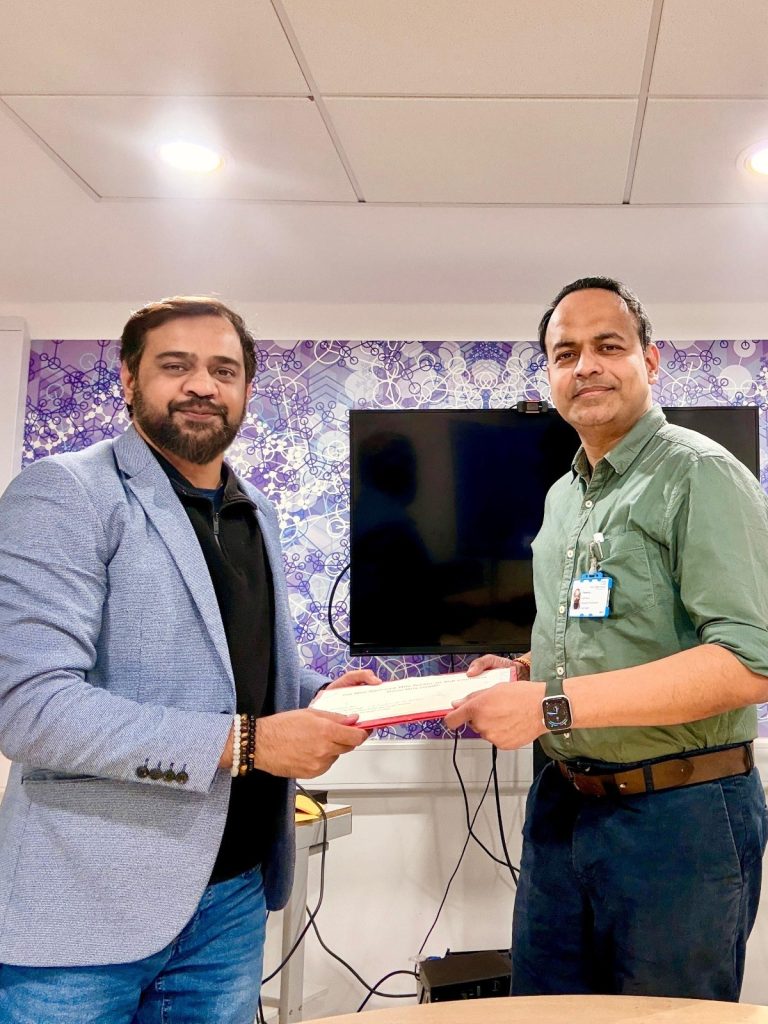
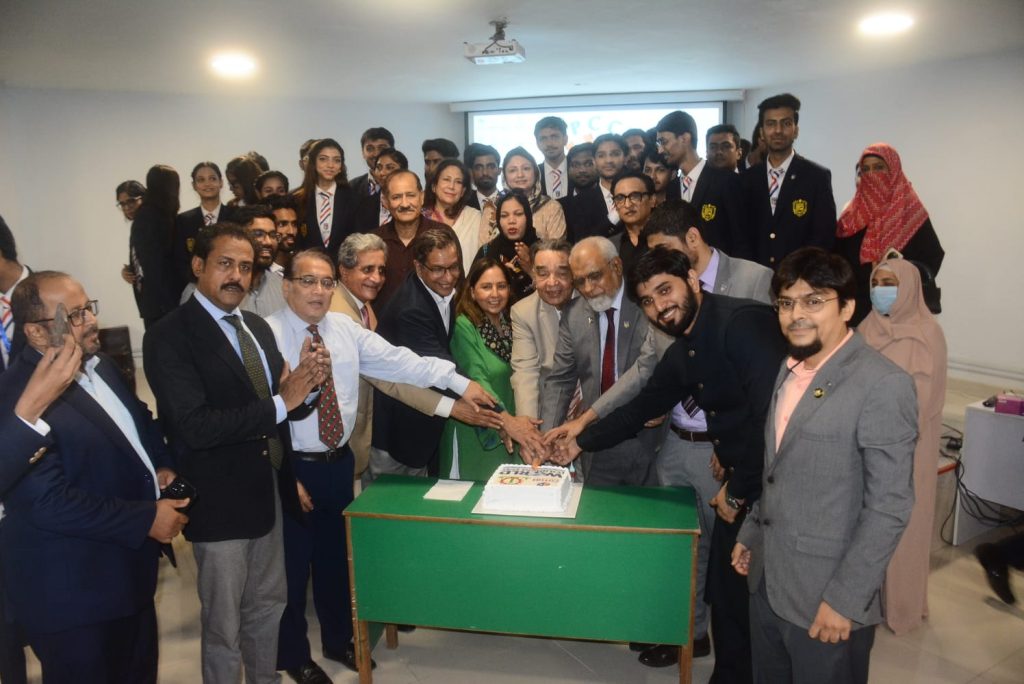
World Tourism Day 2026 was marked at FPCCI Federation House by the FPCCI Standing Committee on Tourism Economy. The session drew travel trade representatives, travel writers, students from tourism institutions, and members of the hotel and hospitality industry. It followed the global theme, “Digital Agenda and Artificial Intelligence to Redesign Tourism.”
From Generic Promotion to Data-Driven Storytelling
Salman Javed, Chairman of the FPCCI Standing Committee on Tourism Economy, welcomed guests and argued that in the age of AI, Pakistan’s tourism marketing must move from generic promotion to intelligent, data-driven storytelling and targeted digital campaigns to position the country globally.
PTDC Keynote: A National Digital Tourism Ecosystem
Aftab ur Rehman Rana, Managing Director of PTDC, said Pakistan’s landscapes, cultural heritage, adventure opportunities, religious sites, and traditional hospitality give it a strong foundation for tourism growth. He said PTDC will continue strengthening destination promotion, capacity building, tourism standards, and visibility in domestic and international markets.
Rana noted that today’s traveller is not the traveller of yesterday. A tourist may discover a destination on a smartphone, plan an itinerary with AI, explore heritage through VR, book hotels online, navigate with digital maps, translate languages instantly, and share the whole experience on social media within minutes. He called for a collaboratively built National Digital Tourism Ecosystem, where visitors can discover Pakistan digitally before arriving, plan intelligently, book seamlessly, travel safely, experience heritage through immersive technology, and connect directly with local communities.
Education, Data and Platform Proposals
Engineer Sabir Ahmed, Executive Director of COTHM Karachi, urged the sector to embrace AI and digital transformation to build a more intelligent, inclusive, and sustainable tourism ecosystem. He proposed tourism data dashboards, digital tools for MSMEs, AI skills in education, and sustainable management practices.
Sajjad Sardar, CEO of Bukhari Group and Founder and CEO of TechGIS Pvt Ltd, presented a vision for a National Tourism Intelligence and Geospatial Platform. The AI-powered platform would connect destinations, hospitality, mobility, attractions, and tourism data in one system for smarter planning and investment.
Aviation: The Backbone That Is Underserved
Feroz Jamal, Country Head of IATA Pakistan, described aviation as the backbone of tourism but said it is underserved, contributing less than 2% of GDP against a potential 6%. He called for tax reforms, easier visas, lower jet fuel costs, and lower taxes. He acknowledged that the government reduced federal excise duty (FED) on business class tickets and removed duties on spares and aircraft leasing for domestic carriers in the last budget, but said more is needed, including greater private sector participation.
Putting the Aviation Numbers in Context
IATA’s own country report on Pakistan helps explain why the aviation sector is pressing this case. It estimates that about 56,700 people work directly in Pakistan’s aviation industry, generating roughly $2.1 billion in output, around 0.6% of GDP. Once the supply chain, employee spending, and tourism are included, the total rises to about $5.6 billion and nearly 684,000 jobs, roughly 1.7% of GDP. That is the “less than 2%” figure Jamal referred to.
The report also finds that tourism supported by aviation contributes about $952 million to GDP and employs around 228,000 people. International visitors arriving by air spend an estimated $1.6 billion a year with local businesses. For the trade, the link is direct: air connectivity brings in higher-spending visitors, and it depends on tax and fuel costs that policy can change.
The Session’s Conclusion
The session concluded that the future of tourism is not AI replacing hospitality, but technology helping people create better, more inclusive, and more sustainable journeys. Participants closed with a line from UN Secretary-General Antonio Guterres: “Technology must serve humanity.”
What This Means for Pakistan’s Travel Trade
Taken together, the proposals point to a sector shifting toward shared data infrastructure, with dashboards, geospatial platforms, and a national digital ecosystem. They also show industry pressing for aviation cost reform alongside it. For agencies and operators, the practical takeaway is that digital discoverability and booking capability are becoming baseline expectations. Fares and capacity will keep depending on policy decisions around taxes, fuel, and visas.