



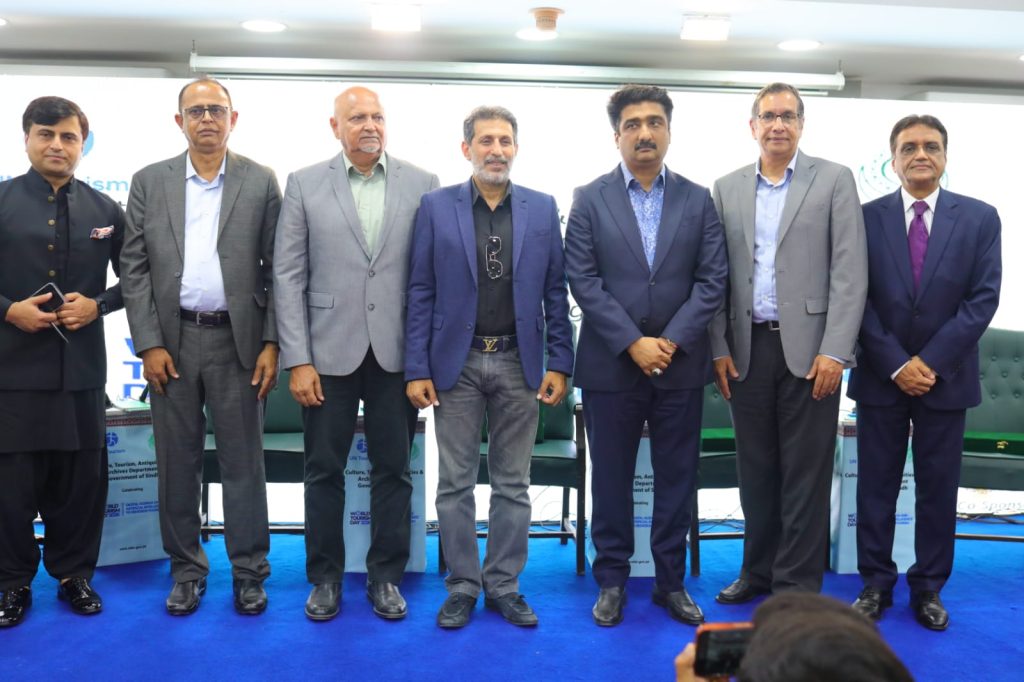
The Sindh Tourism Development Corporation (STDC) celebrated World Tourism Day 2026 at the historic Quaid-e-Azam House Museum in Karachi. Syed Zulfiqar Ali Shah, Sindh’s Minister for Culture, Tourism and Antiquities, was the Chief Guest. STDC Managing Director Feyaz Ali Shah welcomed the minister and other participants on arrival.
The evening opened with a panel of leading travel trade figures. They discussed how artificial intelligence can promote Pakistan as a tourist destination, and Sindh in particular. The panels weighed both the advantages and the drawbacks of digitalization and AI, which matches the tone of this year’s global theme, “Digital Agenda and Artificial Intelligence to Redesign Tourism.”
The discussions covered how digitalizing business processes and adding value through AI could transform the sector. Speakers stressed that technology can improve visitor experiences, destination management, and tourism promotion.
More than 100 professionals and stakeholders from the travel trade, tourism, hospitality, and academia attended. They reviewed the current state of tourism in Pakistan and its future prospects, with a particular focus on Sindh.
Sindh has a wide mix of products to promote. They include the Makli Necropolis and Chaukhandi tombs, the Thar Desert and Karoonjhar Mountains, Keenjhar Lake, and marine islands such as Manora and Bundal. In May 2026, three of the province’s forts (Kot Diji, Naukot and Umerkot) were added to UNESCO’s tentative World Heritage list, the first step toward full status.
Sindh’s Chief Minister, Murad Ali Shah, made the same point on World Tourism Day. He said modern technology, digital platforms, and AI could showcase the province’s destinations to a global audience, and that connecting young people and local communities with tourism could create jobs and local economic opportunity.
The call for better digital promotion has been building for some time. At an earlier stakeholder forum, industry voices said much of Sindh remains unexplored. They asked for a broader policy overhaul, including public-private partnerships, better roads, a dedicated tourism police force, and a full digital marketing strategy. They also suggested digital travel documentaries and partnerships with content creators to bring lesser-known destinations to wider audiences. The minister cited projects such as the Gorakh Hill Station expansion, the Thar Safari Train, and the operationalization of Thar Airport as part of the government’s effort to boost desert tourism.
What This Means for the Trade
For tour operators, hotels, and agencies working in Sindh, the discussion shows where promotion is heading. Destination marketing is moving toward digital storytelling and data-backed campaigns, and products with strong online visibility are likely to benefit first. Heritage circuits, desert experiences, and lakes are the strongest candidates, along with the newly listed forts, which could draw added international attention as the UNESCO process advances.
STDC — Explore Amazing Sindh