

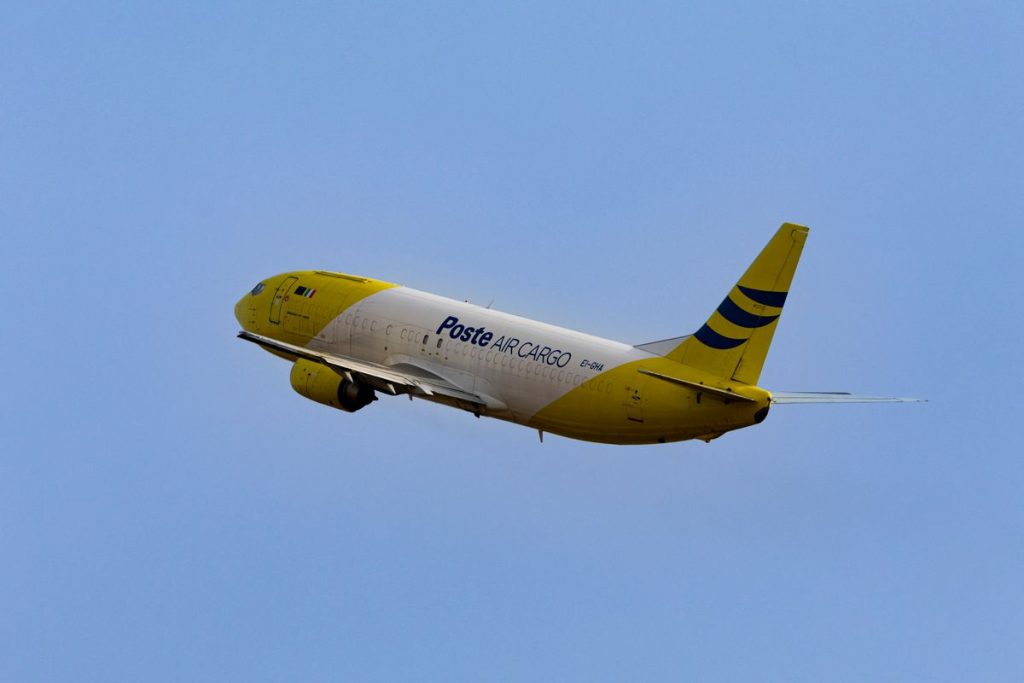
While passenger airlines wrestle with fuel costs, the air cargo side of the industry is having a very different year. Global air cargo demand, measured in cargo tonne-kilometers, climbed roughly six percent year-on-year in the first half of 2026, with the strongest growth concentrated in Asia Pacific and North American trade lanes.
Industry revenue is following the same upward path. Cargo revenue for 2026 is now projected to reach well over 160 billion dollars, a solid increase from the previous year, as freight forwarders and airlines adjust to shifting trade routes and continued strength in cross-border e-commerce.
Three forces are shaping this boom. First, e-commerce platforms continue to ship huge volumes of small parcels internationally, and air remains the fastest way to move them. Second, digitalization of booking and tracking systems is making it easier for shippers to compare capacity across carriers in real time. Third, uncertainty around ocean freight schedules and tariffs has pushed some time-sensitive cargo off ships and onto planes, even at a higher cost per kilogram.
For businesses that rely on international shipping, the takeaway is that capacity is tightening in the busiest corridors, and booking freight further in advance is becoming standard practice rather than a nice-to-have. For everyday travelers, this cargo boom quietly matters too, since belly-hold cargo on passenger flights helps airlines keep ticket prices in check by spreading costs across both freight and passenger revenue.