
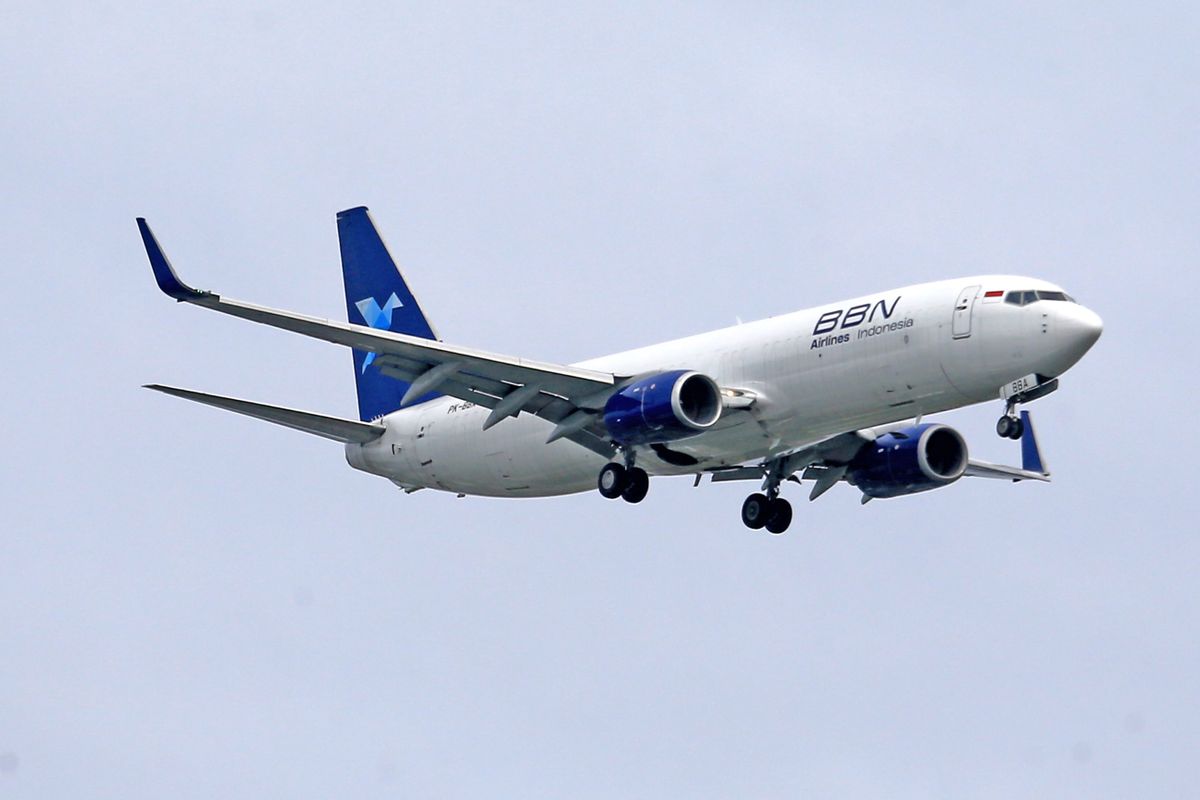

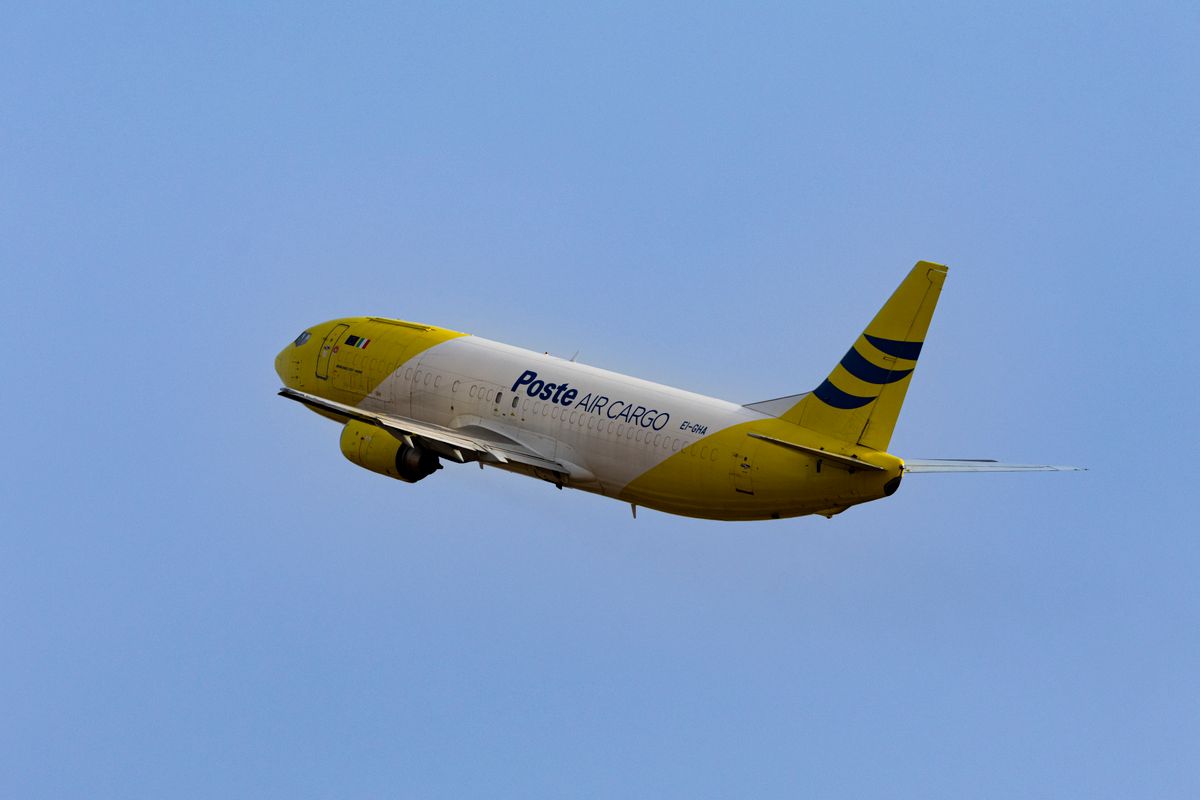
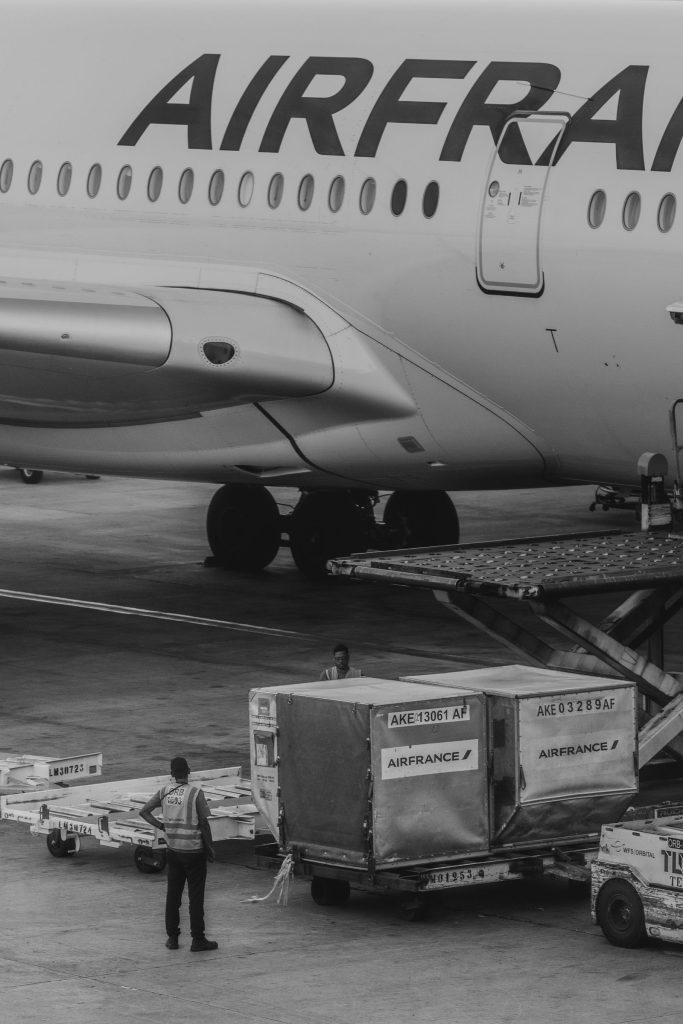
Global air cargo has found fresh momentum in 2026, with cargo tonne-kilometers climbing at some of the fastest rates seen in years. Growth has been particularly strong on routes linking Asia Pacific with North America, and even lanes once considered secondary, such as Africa to Asia, have posted striking year-on-year gains.
E-commerce remains the biggest driver behind the numbers. Cross-border online shopping keeps pushing more parcels into the sky, forcing freight forwarders and airlines to rethink capacity and routing. At the same time, digitalization is reshaping how cargo moves, with more bookings, tracking, and customs paperwork shifting onto digital platforms that cut delays and paperwork errors.
Sustainability pressures are also reshaping the freight business. Sustainable aviation fuel is moving from a niche talking point to a real cost factor, and carriers are adjusting networks in response to shifting trade patterns and tariff uncertainty. Even so, forecasts point to continued, if moderate, volume growth through the rest of the year.
For shippers and retailers, the takeaway is that air freight capacity is tightening in some corridors even as rates stay relatively stable. Businesses that depend on fast international shipping are being encouraged to lock in space early and diversify routing options, since new trade lanes are opening just as quickly as older ones are becoming congested.