





Bali’s tropical climate runs on two seasons rather than four, which makes planning simpler than it looks — but the “best” time really depends on whether you’re chasing sunshine, lower prices, or fewer crowds.
Dry Season (April to October)
This is peak Bali weather: long sunny days, low humidity, and minimal rain — ideal for beach time, hiking volcanoes like Mount Batur, and diving or snorkeling with good visibility. It’s also peak tourist season, especially July, August, and around the New Year, meaning higher hotel prices and busier beaches and temples.
Wet Season (November to March)
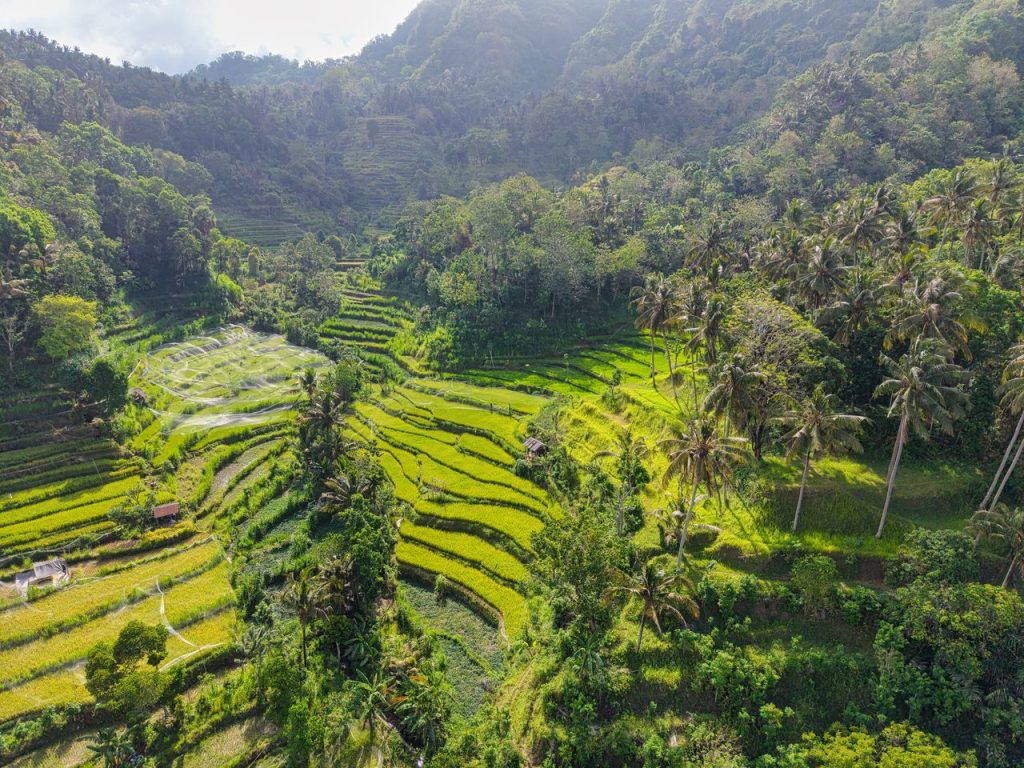
Rain doesn’t mean the trip is ruined — it typically arrives in short, heavy bursts rather than all-day downpours, often leaving afternoons and evenings clear. Humidity is higher, but so is the greenery, and Bali’s rice terraces and waterfalls are at their most dramatic. Hotel rates drop meaningfully, and popular spots like Ubud and Uluwatu are noticeably quieter.
Shoulder Months Worth Considering
May, June, and September tend to offer the best balance — dry-season weather without the peak-season prices or crowds. These months are often the sweet spot for travelers who want good conditions without paying top rates.
Festival and Cultural Considerations
Bali observes Nyepi, the Balinese Day of Silence, once a year in March (the exact date shifts annually with the Saka calendar). The entire island — including the airport — shuts down for 24 hours, with no exceptions for tourists. It’s worth checking the date before booking travel that month, since it affects arrival and departure flexibility.
Bottom Line
- Want guaranteed sunshine and don’t mind crowds: July–August
- Want a good balance of weather, price, and crowd levels: May, June, or September
- Want the lowest prices and don’t mind occasional rain: November–March (avoiding Nyepi week)
There’s no single wrong time to visit Bali — just a trade-off between weather certainty, cost, and how much company you want on the beach.