



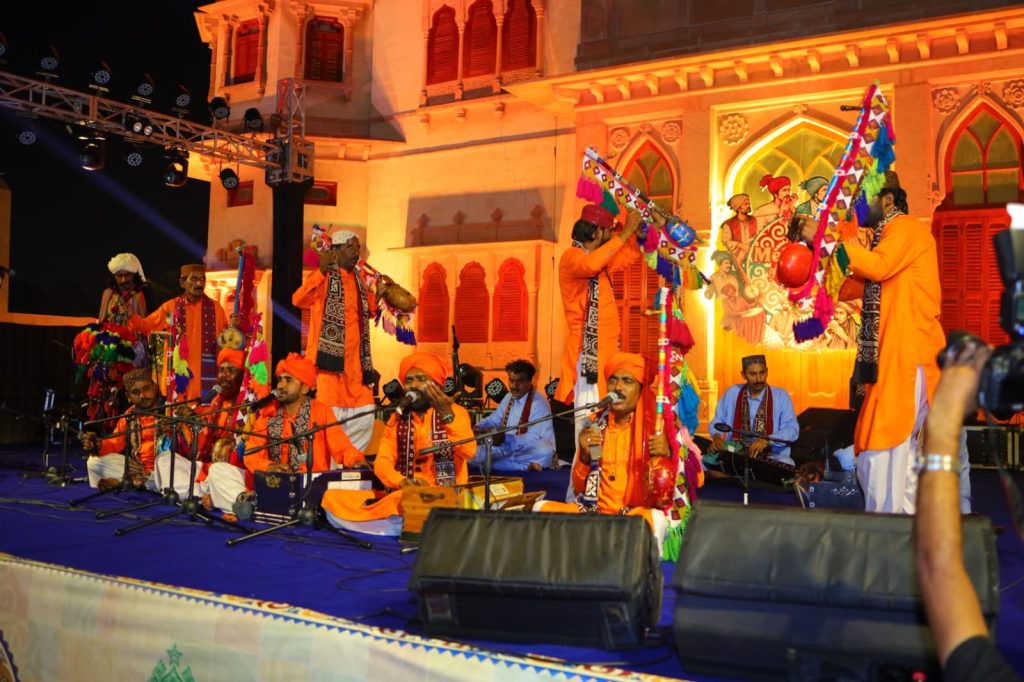
The Culture and Tourism Department, Government of Sindh, organised a cultural evening titled “Melodies of Indus” on Saturday, October 17, 2026, at the historic Mohatta Palace in Karachi. The event celebrated the musical traditions and cultural heritage of Sindh.
Master Performers on Indigenous Instruments
Master folk performers and skilled musicians played well-known melodies on traditional instruments. The performances showed the depth, diversity, and enduring appeal of the region’s folk music, and the artists received warm applause from the audience. Mohatta Palace, known for its architecture and cultural significance, provided the setting. The venue became a space for cultural exchange, with traditional melodies evoking the heritage of the Indus Valley.
A Diverse Audience From Culture, Diplomacy and the Trade
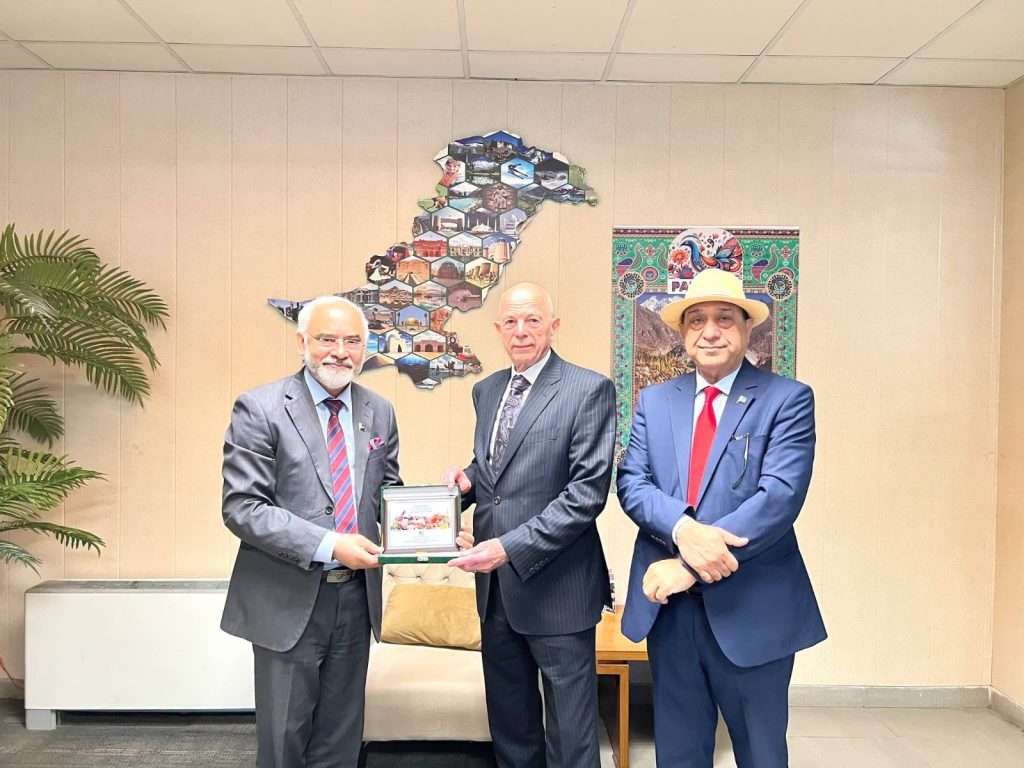
A large and varied audience attended, including foreign diplomats, government officials, members of the travel trade, representatives of the tourism and hospitality sectors, and civil society members. The turnout reflects growing interest in Sindh’s cultural offerings and the value of promoting indigenous art forms to local and international audiences.
Chief Guest
Syed Zulfiqar Ali Shah, Minister for Culture, Tourism and Antiquities, Government of Sindh, was the chief guest. His attendance underscored the provincial government’s commitment to preserving Sindh’s cultural heritage, promoting traditional music, and strengthening the link between culture and tourism.
The Programme
- Devotional Resonance: Shah Jo Rang (Damboora)
- Strings & Winds of the Indus: Chang, Khamach, Benjo, Danboori, Bansiro, Sarangi, Shahnai
- Sufi Rhythms: Sachal Jo Kalam (Yaktaro & Chapri)
- Strings, Winds & Percussion of the Indus: Sitar, Murli, Surando, Gharro, Alghozo
- The Voice of Living Heritage: Boreendo, a tribute to the ancient clay whistle of Sindh, celebrating its UNESCO Intangible Cultural Heritage inscription
- The Climax of Chords: Qalander Dhammal (Nagara, Nafeel and Bher)
Why the Boreendo Tribute Matters
The Boreendo segment carried particular weight. UNESCO inscribed the instrument, its melodies, and its associated skills on the List of Intangible Cultural Heritage in Need of Urgent Safeguarding on December 9, 2025. This is the urgent-safeguarding list, which covers traditions at risk of disappearing, rather than a general heritage honour. The Boreendo is a spherical clay wind instrument whose roots are traced to the Indus Valley Civilization and Mohenjo-daro, with the tradition estimated at around 5,000 years old. It is traditionally played at winter gatherings known as Mach Kachehri, as well as at weddings and festivals in Sindh.
The tradition is fragile. Reporting on the safeguarding effort describes Faqeer Zulfiqar as the only known master musician actively maintaining the playing tradition. He is now teaching his grandchildren in the hope of passing it to a fifth generation. Putting the Boreendo on a concert programme alongside better-known instruments therefore serves a safeguarding purpose, as well as a celebratory one.
Music, Heritage and Cultural Tourism
The event also promoted Sindh as a cultural tourism destination. Live performances in a heritage building show how music, historic sites, and traditional art can enrich a visitor’s experience. Sindh’s tourism story already includes its heritage sites, such as the Makli Necropolis and the forts added to UNESCO’s tentative list in 2026, and now a UNESCO-listed musical tradition as well.
What This Means for the Trade
For tour operators, hotels, and agencies, cultural evenings like this one point to a product opportunity. Heritage-venue concerts, folk music showcases, and craft experiences can be packaged for international visitors and for domestic cultural travelers, particularly alongside Karachi’s museums and heritage buildings. Representatives of the trade attended this event, which suggests the sector is paying attention.