




Global shipping is contending with a mix of steady demand and shifting rules in 2026. Freight volumes have held up better than many expected earlier in the year, but new environmental regulations, evolving tariff policies, and shifting trade lanes are forcing carriers and logistics companies to rethink long-standing routes and cost structures.
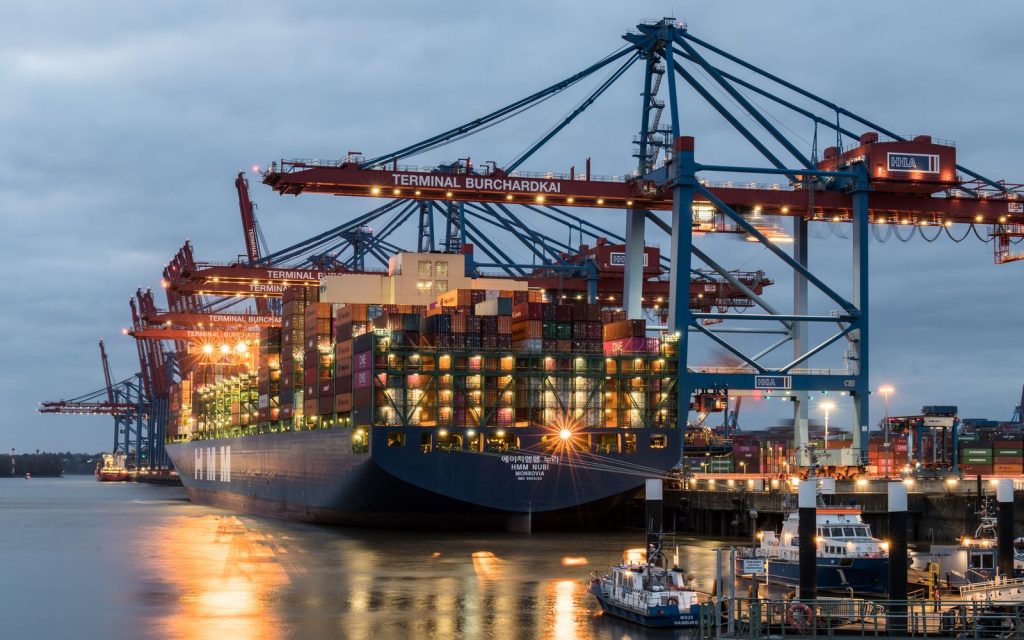
Sustainability has moved from a talking point to a near-mandatory investment. Alternative fuels, stricter emissions rules, and port technology upgrades are reshaping how ships and terminals operate, adding cost in the near term but positioning compliant operators better for the years ahead. At the same time, automation is spreading through warehouses and last-mile delivery networks, partly in response to ongoing labor shortages among drivers and warehouse staff.
Regional shifts are also reshaping trade patterns, with nearshoring and the rise of regional supply chains changing which ports and routes see the heaviest traffic. Same-day and rapid delivery services continue to expand quickly, putting pressure on logistics providers to modernize last-mile operations even as they manage rising parcel costs.
For businesses that depend on global shipping, the message is one of managed complexity: demand is there, but the rules, routes, and costs around meeting it are shifting quickly enough that flexibility has become as important as capacity.