


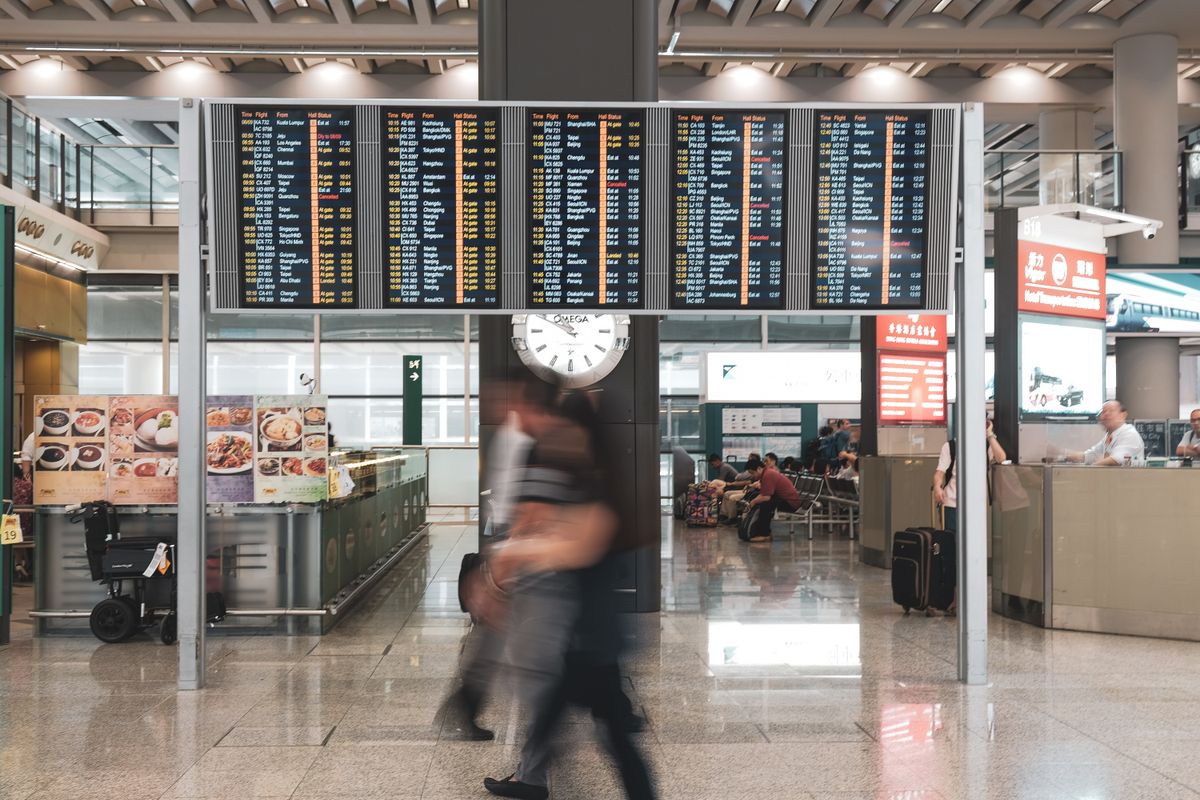


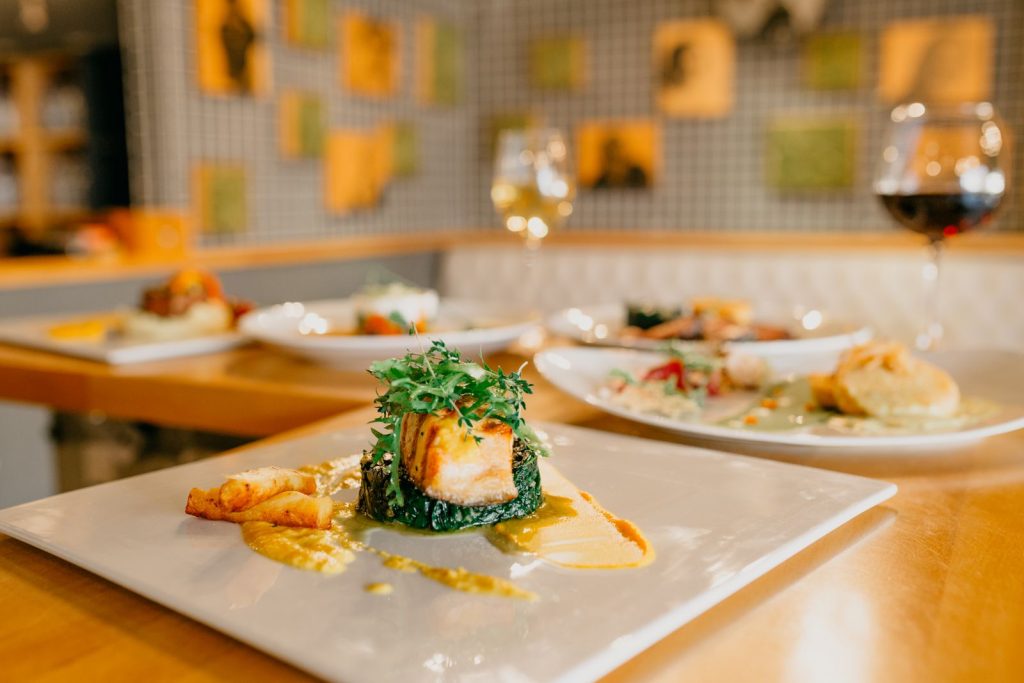
Food has become one of the biggest reasons people choose a destination in 2026, and the flavors driving that decision are shifting. Wood-fire cooking, fermented ingredients, and dishes built around mushrooms and umami are showing up on menus worldwide, reflecting a broader craving for techniques that feel rustic and deeply rooted in a place rather than polished for a global audience.
Hyper-local sourcing has become a genuine selling point rather than a marketing line. A large share of diners now say they specifically seek out restaurants that highlight ingredients grown or raised nearby, and travelers are increasingly building entire trips around a region’s food culture rather than treating meals as an afterthought to sightseeing.
Restaurants themselves are adapting too, with smaller, tightly edited menus replacing sprawling ones, and multi-concept spaces letting one venue offer a casual counter alongside a more elevated tasting menu. Affordable tasting menus, in particular, are giving diners a way to experience ambitious cooking without the price tag of a traditional fine-dining night out.
For travelers, the upshot is that food tourism no longer means seeking out a single famous restaurant. It means chasing authentic, locally rooted cooking, wherever it happens to be simmering, fermenting, or turning over an open flame, and building an itinerary around it.